
Darwin Composite Cladding
Darwin composite cladding offers a range of durable, eco-friendly building materials and cladding systems designed for the Darwin environment. Explore high-quality composite cladding and decking solutions that enhance both residential and commercial projects across Northern Territory.
Call Now!
Exploring Composite Cladding Benefits

What advantages does composite material bring to building facades?
Composite cladding offers many benefits for building facades, making it a popular choice in modern construction. These composite building materials are strong and attractive, making them suitable for both new builds and home improvement projects.
Key benefits include:
- Durability: Composite materials are made to handle tough weather conditions like sun exposure, heavy rain, and changes in temperature. This weather resistance helps the cladding last a long time without fading or damage.
- Eco-Friendly and Sustainable: Many composite cladding products use recycled materials, which helps reduce environmental impact. Because they last longer, they do not need to be replaced as often, supporting sustainability.
- Low Maintenance: Unlike traditional timber, composite exterior cladding needs little upkeep. It does not require painting or sealing, saving time and money over its lifetime.
- Design Options: Composite cladding is available in many colours, textures, and finishes. This lets homeowners and builders create modern, stylish facades that match their preferences.
- Quality Assurance: Australian-made composite products meet strict quality standards to ensure safety and reliability on all building projects.
These technical specifications and material benefits make composite cladding a smart option for improving outdoor spaces with durable and attractive facades.
How does the cost compare to traditional cladding materials such as timber?
When comparing composite cladding to timber, several points affect overall cost-effectiveness:
- Initial Price: Composite wood cladding usually costs more upfront than timber. However, this higher price is balanced by better durability and less maintenance.
- Maintenance Costs: Timber cladding requires regular painting, staining, and sealing. This adds to ongoing costs. Composite cladding needs almost no maintenance, leading to savings over time.
- Durability: Composite products resist rot, warping, and insect damage better than timber. This extends the cladding’s life and reduces the need for replacements.
- Sustainability: The eco-friendly nature of composite cladding may help qualify for environmental incentives or certifications, adding extra value.
For homeowners and builders in Darwin and similar areas, composite cladding offers a cost-effective solution that combines quality, durability, and reasonable investment.
Is it suitable for both residential and commercial design projects?
Composite cladding systems work well for both residential and commercial buildings. Their flexibility meets the needs of different designs and project sizes.
- Residential Projects: Composite cladding improves the look of homes while providing strong protection against weather. It is easy to install and fits well with modern outdoor design styles.
- Commercial Construction: For commercial buildings, composite materials offer strong cladding solutions that meet building codes and performance standards. They are fire-resistant and comply with the National Construction Code (NCC 2022), making them a safe choice.
- Design Flexibility: Whether for small homes or large commercial properties, composite cladding offers many colour, texture, and profile options.
- Durability and Quality: Darwin composite products keep their strength and appearance over time, reducing repair and replacement costs.
Overall, composite cladding is a reliable choice for various building cladding needs, delivering modern, practical, and long-lasting results across many design projects.
Are you thinking about using composite cladding for your next project? Contact us to ask questions or request samples from our range of quality composite products made for durability and style.
Understanding Installation & Maintenance
What are the key steps involved in installing composite systems?
Installing composite cladding systems requires following clear steps and meeting technical specifications to ensure durability and performance. The main steps are:
- Prepare the Subframe: The subframe must be designed and installed according to the manufacturer’s datasheets. It acts as the base for the composite paneling and should be level, secure, and resistant to moisture.
- Choose the Right Fasteners and Extrusions: Use only the fasteners and extrusions recommended for the project. These parts help keep the composite cladding firmly in place and maintain its quality over time.
- Install the Panels: Follow the manufacturer’s instructions carefully when attaching the composite cladding panels. This includes keeping proper spacing, alignment, and fastening to prevent warping or damage.
- Check Quality Throughout Installation: Regularly inspect the work to make sure it meets technical specifications. Consult experts if needed to fix any issues and improve the installation.
- Complete Final Inspection and Register Warranty: After finishing, submit all required documents to activate the warranty from the manufacturer. This protects against defects and gives confidence in your investment.
Composite Decking Darwin offers a skilled team to assist with every stage, from design to installation, providing the best cladding solutions for your project. You can request samples or review datasheets to support your planning.
How long does it typically last, and what maintenance is required?
Composite cladding products are popular because they last a long time and need little maintenance compared to traditional cladding materials. When installed and cared for properly, composite wood cladding can last 25 years or more.
- Long Life: Composite cladding resists rot, pests, and weather damage. This makes it a sustainable option for building cladding. Many manufacturers provide strong warranties that reflect this lasting quality.
- Simple Maintenance: Cleaning is easy use mild detergent and water to wash away dirt and dust. Avoid harsh chemicals or rough tools that might harm the cladding materials.
- Environmentally Friendly: Many composite products use recycled materials and support eco-friendly building practices. Choosing these options helps protect the environment.
Regularly check the cladding surface and fasteners to catch any problems early. For detailed advice, look at the manufacturer’s maintenance datasheets or contact their expert team.
What are some common pitfalls to avoid during installation?
Avoiding errors during cladding installation helps keep the system strong and looking good. Common mistakes include:
- Not Following Technical Specifications: Ignoring manufacturer instructions for fasteners, subframes, and panel spacing can cause early failure or invalidate the warranty.
- Using Wrong Fasteners or Materials: Using parts not approved by the manufacturer weakens the cladding’s structure and lifespan.
- Poor Project Management: Lack of coordination between design, engineering, and installation teams can lead to mistakes or delays.
- Lack of Experience: Installing composite cladding takes skill. Hiring professionals familiar with these systems lowers the risk of errors and ensures good results.
- Ignoring Manufacturer Advice: Always follow the manufacturer’s guidelines and seek expert help if you have questions.
Working with a dedicated team experienced in composite cladding solutions improves your project’s success. Taking care around these points leads to better quality, longer-lasting cladding, and reassurance for your investment.
For professional advice or help with your next cladding project, contact Darwin Composite Decking’s expert team. We provide quality products designed for easy installation, backed by reliable warranties and technical support. Request a free consultation or download installation datasheets today.
Deciding on the Right Style & Finish
Can you achieve different facade designs with composite paneling?
Composite paneling allows for many facade design options. It is flexible enough to create modern, sleek, or traditional looks when choosing cladding systems. These composite exterior panels are part of advanced building cladding solutions that can be customised to suit different architectural styles.
Using composite design materials means you get cladding designs that improve both the look and function of your building. These cladding systems provide strong, weather-resistant facades that keep their shape and appearance over time. Whether for commercial buildings or home improvement projects, composite paneling offers long-lasting, attractive surfaces that fit current architectural standards.
What color options and textures are available?
Composite finishes come in many color options and textures to match different design tastes. Composite products include variations that look like natural materials such as timber, stone, and metal, giving a realistic look with added durability.
Key features of color and texture options are:
- A wide range of colors suitable for both modern and traditional styles.
- Textures from smooth to grainy or wood-like finishes, adding a natural feel.
- High-quality composite wood cladding alternatives that resist wear and fading.
- Consistent looks through advanced manufacturing methods.
For example, Darwin composite cladding offers eco-friendly, Australian-made composite materials built for outdoor use, combining both style and performance. Picking the right composite cladding variation helps improve your building’s facade, providing long-term value and appeal.
Does it fade over time, and how can this be prevented?
Fading is a common worry for exterior cladding, but composite materials are made to be durable and resistant to colour loss. Many composite finishes have UV-resistant properties that reduce fading from sun exposure.
To keep your composite cladding looking great for longer:
- Follow regular care and maintenance instructions from the manufacturer.
- Clean the surfaces gently using non-abrasive cleaners to avoid damage.
- Check the cladding regularly for signs of wear or environmental effects.
Darwin Composite Decking offers products with warranties that cover fade resistance, showing their focus on quality. Using eco-friendly, weather-tested composite materials like those from Weathertex ensures strong performance in different Australian climates. These composites are among the best choices for outdoor use because of their sustainability and lasting finish.
Evaluating Environmental Performance

What is the environmental impact compared to other siding options?
Choosing environmentally responsible siding materials is important for sustainable home improvement in Australia. Compared to common building materials like timber and fibre cement, composite materials offer clear eco-friendly benefits.
- Sustainability and Recycling: Composite cladding often contains recycled materials, which helps reduce waste and saves natural resources. Timber products, if not sourced responsibly, can lead to deforestation.
- Carbon Footprint: Making fibre cement uses a lot of energy, which increases its carbon footprint. Composite materials usually need less energy to produce, lowering their overall environmental impact.
- Durability and Quality: Composite siding lasts longer and does not need to be replaced as often. This means fewer resources are used over time.
- Outdoor Performance: Designed for Australian conditions, including the Darwin environment, composite materials resist weather damage better than many traditional siding options, making them more sustainable.
Using composite cladding supports environmental responsibility by combining long life with low-impact production. For more information on sustainable building materials, see our guide to eco-friendly construction materials.
Does it comply with fire safety standards?
Fire safety is a key concern, especially in bushfire-prone areas like the Northern Territory and Darwin NT. Choosing siding that meets fire safety standards helps protect your home and family.
- Bushfire Compliance: Many composite cladding products meet the fire safety standards in the National Construction Code (NCC 2022) and local bushfire regulations in the Northern Territory.
- Technical Specifications: Manufacturers provide datasheets that show fire resistance ratings, test results, and proof of compliance.
- Warranty and Manufacturer Assurance: Good warranties show that the product meets safety and quality requirements.
- Building Regulations: Using siding that complies with local building rules helps avoid fines and keeps homes safe.
Builders and homeowners should ask for fire compliance certificates and review technical datasheets carefully. For more details, visit the NCC fire safety requirements.
Can this material contribute to sustainable building design?
Composite siding plays an important role in creating sustainable buildings while reducing environmental impact.
- Eco-Friendly Composition: Composite building solutions use recycled parts, helping reduce waste and support recycling efforts.
- Energy Efficiency: The insulation properties of composite cladding help keep homes warm or cool, lowering energy use for heating and cooling.
- Carbon Footprint Reduction: Choosing materials with less embodied energy lowers the total carbon footprint without compromising strength or appearance.
- Darwin Architecture Integration: Composite siding suits Darwin’s climate well, helping design homes that use energy wisely and last longer.
- Long-Term Durability: Its strong build means less maintenance and fewer replacements, supporting sustainable home improvement across Australia.
For builders and designers interested in green building, check out our resources on composite cladding benefits for sustainable building and request product samples to assess performance.
Composite Cladding and Local Architecture
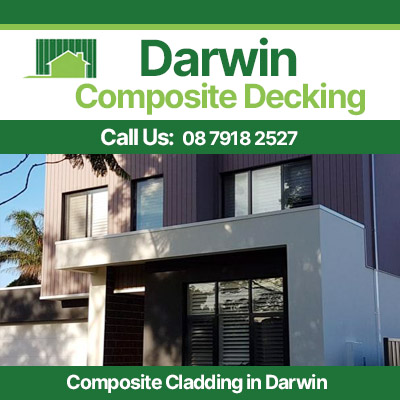
How does composite decor complement architectural styles in Darwin NT?
Composite cladding is a flexible and strong option that improves the look of both modern and traditional buildings in Darwin. The unique weather and culture here need building materials that are useful and visually appealing.
- Darwin architecture often features open-plan layouts and outdoor areas. Composite cladding fits well with these styles, offering an attractive finish that resists weather and requires little upkeep.
- Composite design comes in many colours and textures. It looks like natural timber but does not warp or suffer termite damage like real wood.
- Composite cladding is perfect for facades on homes and commercial buildings. It adds to long-lasting home improvement by boosting both strength and appearance.
- Using Darwin exterior cladding that focuses on quality and durability helps buildings withstand strong sun, heavy rain, and coastal conditions common in northern Australia.
- Composite materials provide a clean, modern look that suits many cladding designs and matches local tastes, blending well with the environment and building styles.
Choosing composite cladding gives builders and homeowners an eco-friendly product that lasts and preserves the unique style of building cladding in Darwin’s setting.
What are local council regulations regarding cladding in the Northern Territory?
Following local council rules is key when picking cladding systems in the Northern Territory, especially for fire safety and building standards.
- The Northern Territory government sets strict fire safety rules, especially in bushfire-prone areas near Darwin NT.
- Cladding must meet the technical specifications in the National Construction Code (NCC 2022), which covers fire resistance, strength, and environmental factors.
- Local councils need proof that cladding products follow Australian standards, including test results and warranties.
- Environmental responsibility plays a bigger role in council rules, encouraging sustainable and recyclable building materials.
- Cladding systems used in new buildings or renovations must show they manage risks like fire spread, water damage, and insulation.
Before installing cladding, check with local authorities to confirm all regulations and standards are met. This protects your investment and the safety of the community.
Where can I view example projects in Australia?
Looking at completed projects around Australia can help you see the benefits of composite cladding.
- Many manufacturers and suppliers share portfolios showing both commercial and residential exterior cladding projects.
- In Darwin, you can find local examples of Darwin composite cladding used in modern home improvement and building work.
- These projects show how composite products fit different architectural styles and stand up to tough conditions while looking good.
- You can contact expert teams who specialise in composite cladding for advice and help in choosing the right product.
- Many brands allow you to request samples or arrange visits to see cladding colours and textures in real settings.
Searching for “composite cladding projects Australia” or visiting manufacturer websites will give you several examples to help you decide what works best for your building.
Are you thinking about composite cladding for your next project? Contact our expert team to talk about options and request brochures or samples for your review. Feel free to leave a comment or reach out through our contact page.
What types of cladding extrusions are available for residential and commercial projects?
We provide various extrusions such as shiplap, 70mm, 76mm, and 125mm profiles, along with decorative arches. These aluminium extrusions are strong and give a clean look, suitable for fencing, awnings, pergolas, and more.
How do composite cladding products perform in bushfire-prone areas?
Our composite materials meet Australian bushfire standards. They resist fire well and improve safety while keeping an attractive design. This makes them suitable for places with strict fire rules.
Can composite siding be used effectively for weather protection and insulation?
Yes, composite siding resists weather conditions like floods, rain, and wind. It also helps with insulation, lowering energy costs and making apartments, sheds, and homes more comfortable.
What are the environmental benefits of using composite decking and cladding products?
Composite products use recycled materials and last a long time. They reduce the need to cut down trees and need less upkeep, making them a good choice for landscaping and building that cares for the environment.
Are composite cladding and decking materials compatible with aluminium fittings and accessories?
Yes, our range includes Capral aluminium and Alspec aluminium parts like gutters and extrusions. These work well with composite panels to provide strength and design options.
What are the standard thicknesses and dimensions available for cladding boards?
Typical sizes include 6mm, 45mm, 70mm, 76mm, 150mm, and 125mm boards. These sizes fit different building needs, such as pavers, brick bases, concrete foundations, and steel frames.
How do your cladding products compare with alternatives like Weathertex, NewTechWood, or Futurewood?
Our products offer strong durability, better resistance to pests and weather, and follow NCC 2022 standards. They also need less maintenance compared to timber options.
Can your products be used in combination with outdoor landscaping features like carports, verandahs, or servery areas?
Yes, they work well for building durable and stylish outdoor spaces such as pergolas, awnings, carports, and servery areas, fitting both houses and apartment buildings.
For detailed product information or to request a sample, please contact our team directly.
Darwin Composite Cladding Insights
- We offer a wide range of Darwin products, including composite cladding and darwin siding designed for the Northern Territory (NT) climate, providing strong and attractive options for areas like Winnellie.
- Our selection includes high-quality materials such as aluminium and aluminium composite panels that are lightweight, long-lasting, and easy to maintain. These are ideal for homes and apartments.
- Every product specification follows strict quality management to ensure they perform well in tough conditions, meeting NCC 2022 standards and industry guidelines.
- We work with trusted brands like Ekodeck and Swan to provide reliable solutions for patios, verandas, and external walls that improve property value and appearance.
- Installation of sliding doors and cladding is planned to fit well with building designs, keeping energy efficiency and a consistent look.
- Our website features an updated sitemap and blog with helpful questions, facts, and case studies from regions including Victoria, helping customers make smart choices.
- The durability of our composite products makes them perfect for outdoor Christmas decorations, withstanding several seasons without damage.
- Our team, Darwin Composite Decking Pty Ltd, offers friendly support and advice to make product choice and installation simple for projects through this year and beyond.
- For full product details or to request a sample, please visit our website’s map section to find service areas and distributors across the Northern Territory and nearby locations. Latitude: -12.465125850656829, Longitude: 130.84404408843483